Learning the Marketplace: The Smart Way to Grow Your City
H

hkatib
Jul 20, 2026 · EN
83
16
6
Earned
5,741.99 MGA · the local value of 0.0001 gold from the author's country treasury for every read and every like
Learning the Marketplace: The Smart Way to Grow Your City
Every great city begins with production. You build farms to harvest crops, forests to supply timber, mines to extract valuable minerals, and factories to transform raw materials into finished goods. Watching your city become more productive is rewarding, and it is easy to believe that success depends entirely on building more industries. However, as your city grows, you will discover an important truth: producing resources is only the beginning. Knowing how to trade them is what truly drives long-term prosperity.
The Marketplace is where your city's economy connects with the rest of the world. Instead of relying only on what you can produce yourself, you gain access to the products, resources, workers, and investments offered by thousands of other players. At the same time, everything your city creates can become a valuable product for someone else. Every transaction strengthens not only your own economy but also the larger economic network that connects every player.
One of the most reassuring things about the Marketplace is that you do not need to become an expert trader on your first day. Many new players hesitate because they think the economy is too complicated. In reality, the Marketplace is designed around a few simple principles. Once you understand those principles, trading becomes as natural as constructing buildings or collecting production.
The first principle is that the Marketplace belongs entirely to the players. Unlike a traditional shop in many games, the Marketplace does not generate unlimited resources or sell products at fixed prices. Every listing you see has been created by another player. Every piece of wood, every sack of grain, every worker, and every company share available for purchase comes from someone else's city.
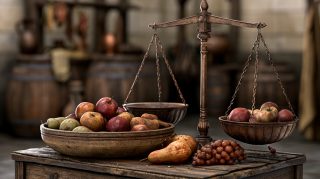
This creates a living economy where prices constantly change. When many players produce the same resource, competition usually lowers its price. When demand increases because more cities need that resource, prices often rise. These changes are not random. They reflect the decisions of thousands of players buying and selling goods every day.
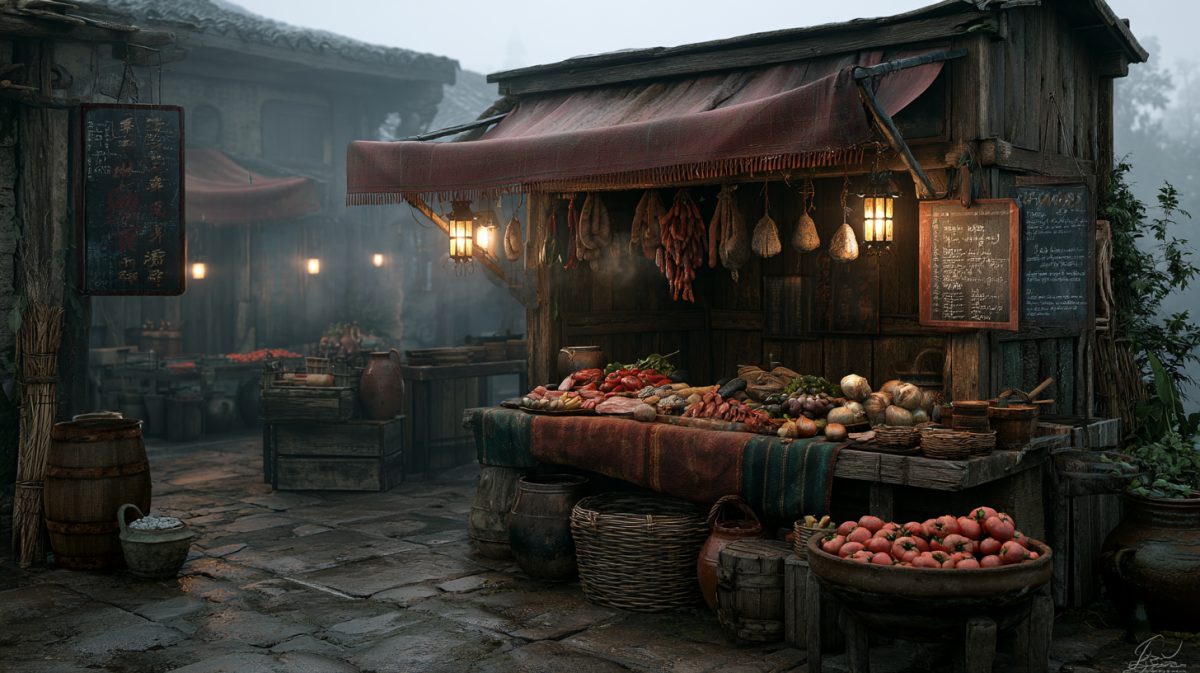
Understanding this concept helps you see the Marketplace differently. Instead of thinking of it as a simple store, imagine it as a busy commercial district where merchants negotiate prices, compete for customers, and search for profitable opportunities. Every offer tells a story about another player's strategy.
The Marketplace gives your city something that production alone cannot provide: flexibility.
Suppose your steel factory suddenly needs additional coal, but your mines cannot produce enough. Without trade, production would slow down while you invested in expanding your mining industry. With the Marketplace, you simply purchase the missing coal from another player, and your factory continues operating without interruption.
The opposite situation is just as important. Imagine your farms have produced an exceptional harvest, leaving your warehouse full of grain. Instead of letting valuable resources sit unused, you can sell them on the Marketplace. Another player who urgently needs grain purchases your offer, turning your surplus into profit.
This constant movement of goods keeps the economy balanced. Cities with shortages find suppliers, while cities with excess production find customers. The Marketplace ensures that resources continue circulating instead of remaining idle.
To simplify trading, the Marketplace is divided into four distinct sections.
The first section is the **Raw Materials Market**, where players exchange the resources that form the foundation of production. Wood, clay, stone, grain, metals, agricultural products, and gold ore are traded here. Since these materials are required by many industries, this market is always active.
The second section is the **Consumer Goods Market**. Here you will find products that have already completed the production process. Food, drinks, clothing, tobacco, and jewelry are all sold in this area. As your city's population grows, these products become increasingly important for maintaining prosperity.
The third section is the **People Market**. Every successful business requires workers, and this market allows players to buy and sell labor. Whether you need additional employees for expansion or wish to reduce excess workers, this section provides the flexibility to manage your workforce efficiently.
The final section is the **Share Market**, where CoinRepublik shares are exchanged using GOLD. This market introduces investment opportunities beyond ordinary production and allows experienced players to participate in the financial side of the game's economy.
Although these four markets contain different products, they all operate using exactly the same process. Select an item, compare available offers, decide whether to buy or sell, and complete the transaction. Once you become familiar with this routine, navigating the Marketplace becomes effortless.
An important habit every trader should develop is comparing prices before making a purchase. Several players often sell identical products, but rarely at identical prices. Spending a few moments reviewing different offers can reduce your costs significantly over time.
The same principle applies when selling. Before listing your goods, examine the existing market. Pricing your products competitively increases the chances of making a quick sale while still earning a healthy profit.
Another valuable lesson is understanding the difference between cost and value. A resource with a low purchase price is not always the best bargain if it slows your production or creates unnecessary expenses elsewhere. Likewise, an expensive product may still represent excellent value if it allows your businesses to continue operating without interruption.
As your city develops, you will begin recognizing market trends. Some resources become more valuable when many players expand their industries simultaneously. Others become less expensive after large production increases. Watching these trends helps you identify profitable opportunities and improve your economic planning.
However, successful trading is not about predicting every price movement. It is about making thoughtful decisions consistently. Buying what you genuinely need, selling what you no longer require, and reinvesting your profits into productive businesses usually leads to stronger long-term growth than trying to speculate on every market fluctuation.
The Marketplace also simplifies logistics. Every purchase is delivered automatically to your city's shared warehouse. There is no transportation system to organize and no delivery delay to manage. As soon as the transaction is complete, the goods are ready for production.
Your own factories and farms use this same warehouse. Whether resources originate from your city or another player's, they are stored together in one central location. This shared inventory allows production chains to operate smoothly while reducing unnecessary management.
Perhaps the greatest strength of the Marketplace is the confidence it gives players. Knowing that you can always purchase missing resources or sell excess production removes much of the pressure from city planning. You are free to experiment with different industries because the Marketplace is always there to support your decisions.
Every experienced player began with small trades. They bought a few resources, sold a few surplus products, and gradually learned how prices behaved. Over time, those simple transactions became an essential part of their daily strategy.
Your journey will follow the same path. The more you trade, the more comfortable you become. The more comfortable you become, the better your decisions will be. Eventually, checking market prices, adjusting production, and identifying profitable opportunities will become second nature.
The Marketplace is not simply another feature of the game. It is the economic heartbeat that connects every city, every business, and every player. Production gives your city something valuable to offer. Trade transforms that value into growth. Together, they create an economy where careful planning, smart investments, and well-timed decisions lead to lasting success.
Master the Marketplace, and you will discover that every transaction—no matter how small—is another step toward building a stronger, richer, and more competitive city.