# A Beginner's Guide to the Marketplace: Every Trade Brings New Opportunities
P

Pibasacro
Jul 20, 2026 · EN
56
8
6
Earned
3,711.99 MGA · the local value of 0.0001 gold from the author's country treasury for every read and every like
# A Beginner's Guide to the Marketplace: Every Trade Brings New Opportunities
Every thriving city is built on two essential activities: producing goods and exchanging them. While your farms, mines, workshops, and factories create the resources that keep your economy alive, they cannot do everything on their own. No city can produce every item at the perfect moment or in the exact quantity it needs. That is why the Marketplace exists. It is the place where production meets opportunity and where every player becomes part of a much larger economy.
For many beginners, the Marketplace feels unfamiliar during their first few days. The number of products, the constantly changing prices, and the many offers from other players can seem overwhelming. Fortunately, the system is much simpler than it appears. Once you understand its basic principles, the Marketplace becomes one of the easiest—and most enjoyable—parts of managing your city.
The Marketplace is not a shop operated by the game. It is a meeting place where players exchange goods with one another. Every product available for purchase has been listed by another player. Every resource you sell becomes available to someone else. This creates a real economy where prices are influenced by player activity instead of being permanently fixed.
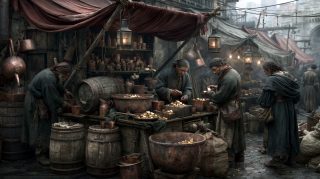
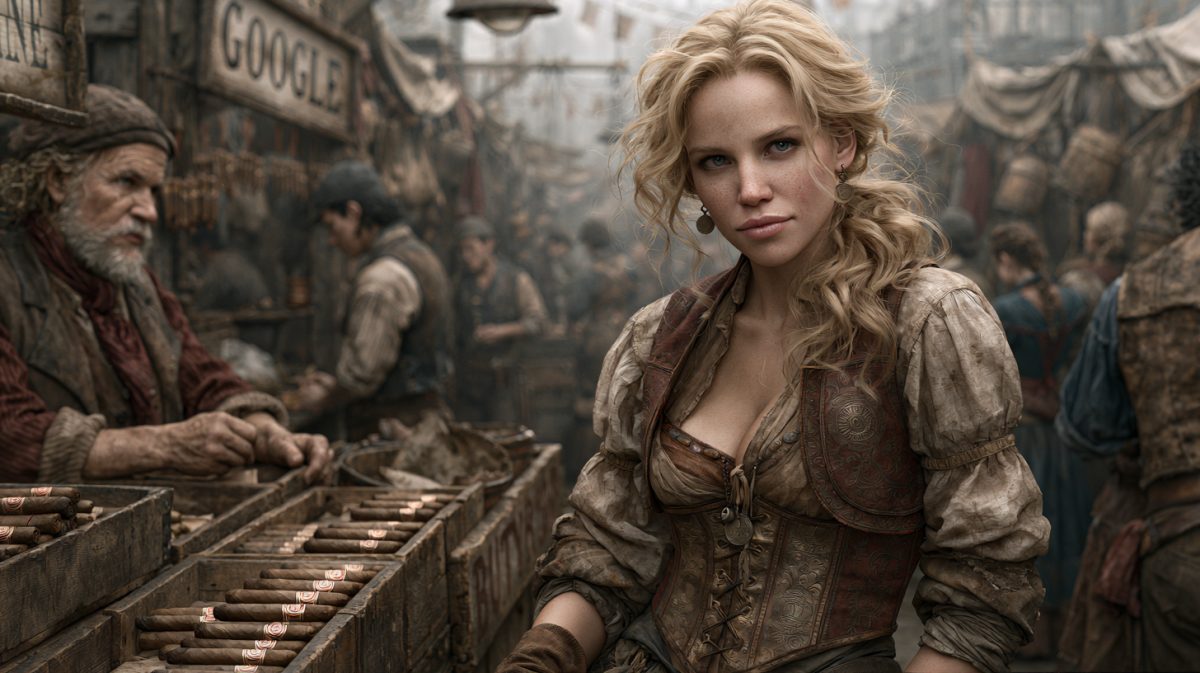
Think of the Marketplace as the central square of a busy trading city. Merchants arrive every day carrying different products. Some sell timber harvested from vast forests. Others offer metals extracted from deep mines. Farmers bring grain and agricultural products, while manufacturers display clothing, food, beverages, and luxury goods. Buyers walk through the market looking for the best prices, and sellers compete to attract customers. This constant movement keeps the economy alive.
One of the greatest advantages of the Marketplace is that it allows cities to overcome limitations. Every city develops differently. Some players invest heavily in agriculture, while others focus on industry or mining. Because no city follows exactly the same path, trade becomes beneficial for everyone.
Imagine that your construction industry suddenly requires large amounts of stone. Building another quarry would cost money, require additional workers, and take time before producing anything. Instead, you can purchase stone from another player whose city specializes in mining. Within moments, the materials arrive in your warehouse, allowing construction to continue immediately.
Now imagine the opposite situation. Your farms have enjoyed an excellent harvest, and your warehouse is full of grain. Rather than allowing those resources to remain unused, you can sell the surplus on the Marketplace. Another player who urgently needs grain purchases your offer, and your city earns additional income. Both cities benefit from the exchange.
This ability to solve shortages and surpluses is what makes the Marketplace such an important part of the game. It gives every player flexibility and encourages cooperation through trade.
The Marketplace is divided into four main sections, each designed for a different type of transaction.
The **Raw Materials Market** contains the resources that begin almost every production chain. Wood, stone, clay, grain, agricultural products, metals, and gold ore are traded here. These resources are constantly in demand because factories and workshops rely on them every day.
The **Consumer Goods Market** is where finished products are bought and sold. Food, beverages, clothing, tobacco, and jewelry all belong in this category. These goods satisfy the needs of your citizens and help your city continue growing.
The **People Market** allows players to exchange workers and specialists. Since labor is one of the most valuable assets in the game, this market helps cities quickly respond to changing workforce requirements.
The **Share Market** is dedicated to trading CoinRepublik shares using GOLD. Instead of exchanging physical products, players invest in financial assets, adding another layer to the game's economy.
Although these four markets serve different purposes, they all work in exactly the same way. You select an item, examine the available offers, compare prices, and decide whether to buy or sell. Once you understand this process, navigating the Marketplace becomes second nature.
Successful trading begins with careful observation. Before purchasing a product, take a moment to compare several offers. Different sellers often ask different prices for the same item. Spending a few extra seconds reviewing the market can save a considerable amount of money over time.
Selling also benefits from preparation. Before listing your products, examine what other players are charging. A competitive price attracts buyers more quickly, while an unrealistic price may leave your goods unsold. Finding the right balance between speed and profit is one of the most valuable trading skills you can develop.
Another important lesson is that profitability does not always come from producing more. Sometimes the smartest decision is simply buying a resource instead of manufacturing it yourself. If another player can produce an item more efficiently than you can, purchasing it may allow your city to focus on industries that generate higher profits.
This is why experienced players rarely try to produce everything. Instead, they specialize. Some become experts in agriculture, others dominate manufacturing, while others concentrate on mining or luxury products. The Marketplace allows these specialized cities to support one another through trade, creating an economy where everyone benefits.
As your city expands, you will begin noticing changes in market conditions. Prices rise when demand increases and fall when supply becomes abundant. These fluctuations are perfectly normal. They reflect the decisions of thousands of players rather than random game mechanics.
You do not need to predict every price movement to become successful. The most reliable strategy is consistency. Buy only what you need, sell resources you no longer require, and avoid making impulsive decisions. Over time, these simple habits create a stable and profitable economy.
One feature that makes trading especially convenient is the shared warehouse. Every product you purchase is delivered automatically into your city's central storage. There are no transportation routes to organize, no delivery vehicles to manage, and no waiting period before your goods become available.
Likewise, everything your businesses produce is stored in the same warehouse. Whether an item comes from your own factories or another player's city, it is immediately available for future production. This centralized storage system allows you to focus on planning and expansion rather than logistics.
The Marketplace also teaches valuable economic lessons. It demonstrates the importance of supply and demand, competition, specialization, and investment. As your experience grows, you will naturally become better at recognizing profitable opportunities and making informed decisions.
Perhaps the most encouraging aspect of trading is that every player starts in the same position. No one becomes an expert overnight. Every experienced merchant once made their first purchase, listed their first product, and learned through trial and error. Small mistakes are part of the learning process, and the Marketplace is forgiving enough to let you improve gradually.
Do not be afraid to experiment. Buy a small quantity of raw materials, sell a few surplus products, compare different offers, and observe how prices change over time. Each transaction builds your confidence and deepens your understanding of the economy.
Eventually, trading becomes as natural as constructing new buildings or hiring workers. The Marketplace becomes more than a convenient feature—it becomes an essential partner in your city's development. Every purchase supports production. Every sale creates new investment opportunities. Every successful trade moves your city one step closer to prosperity.
In the end, the Marketplace is the engine that connects every player in the game. It transforms isolated cities into a vibrant economic community where cooperation and competition exist side by side. Mastering this system is not about making one extraordinary trade but about making hundreds of smart decisions over time. Build carefully, trade wisely, and allow the Marketplace to become the bridge between your city's hard work and its long-term success.